
Admission and reception
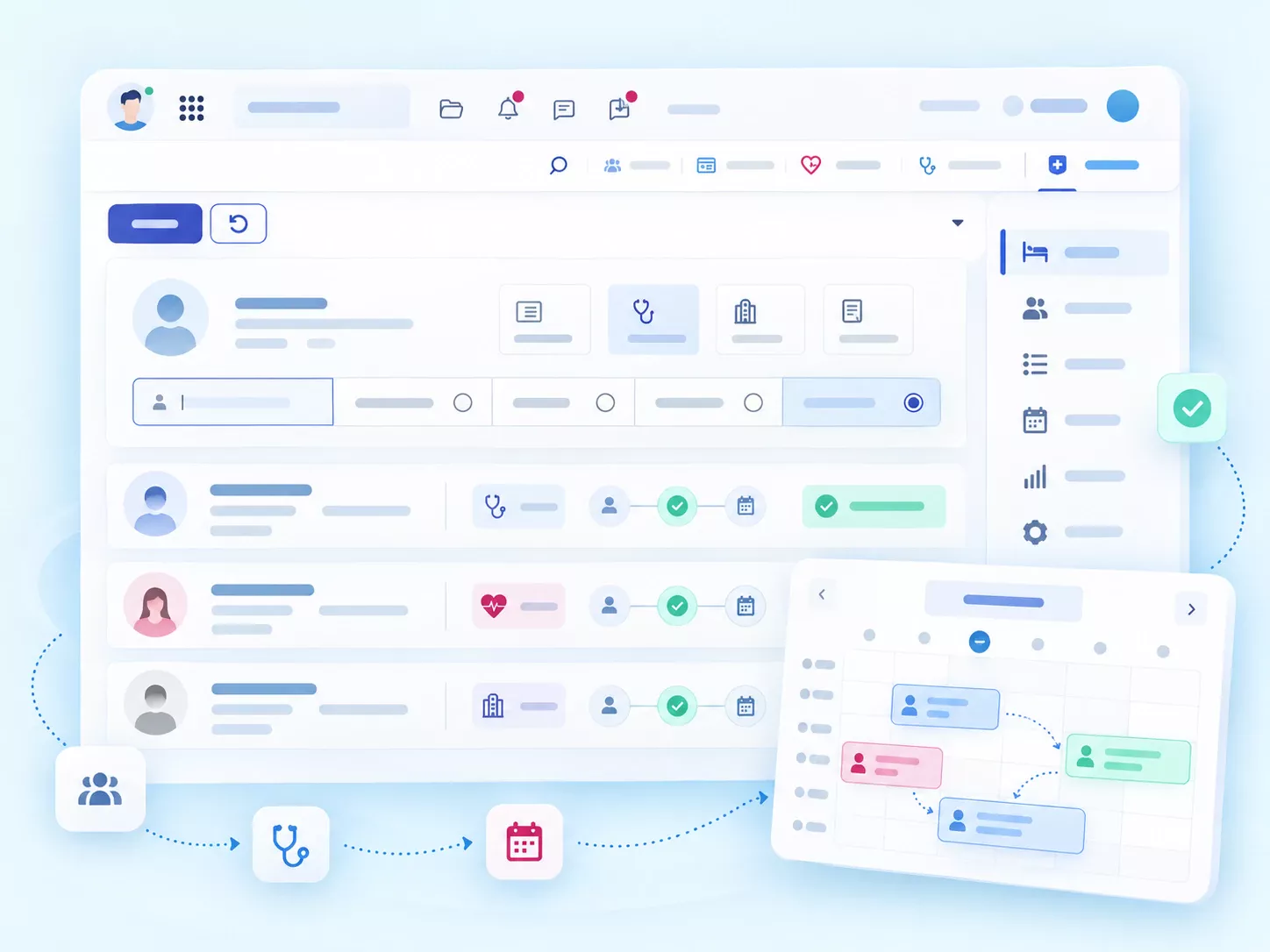
Connect patient registration with the physician, department and appointment. Reception teams can use worklists, admission calendars, status filters and appointment rescheduling.
BioArc products and solutions
From appointments and admission to visits, prescriptions and electronic records: tools that connect the care journey.
Modules and integrations are enabled according to each center’s agreed configuration.
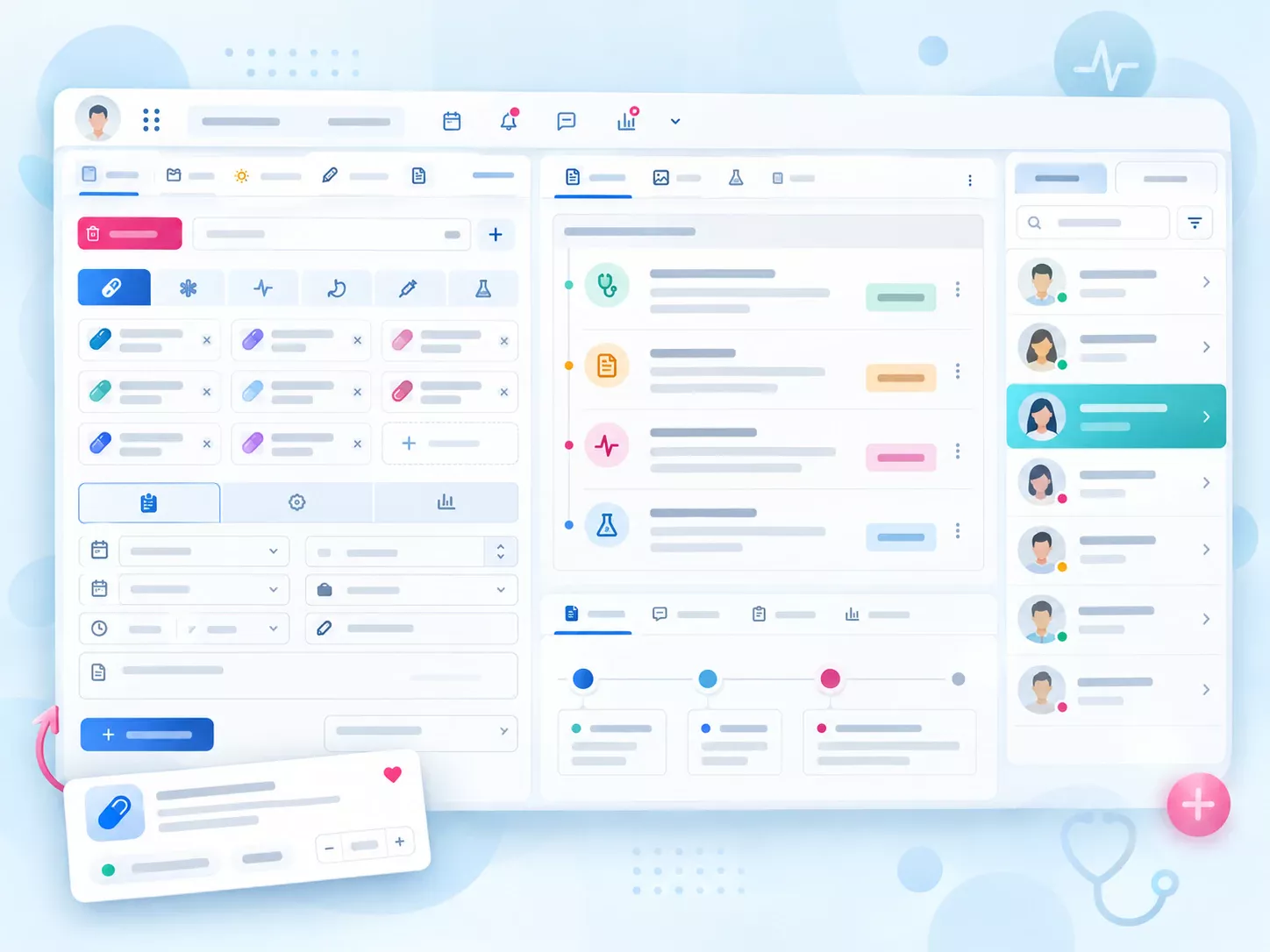
01 / Integrated prescribing
Choose medicines, laboratory tests, imaging, equipment and services from the same workspace. Favorites, reusable templates and previous prescriptions support daily work.
02 / Longitudinal patient profile
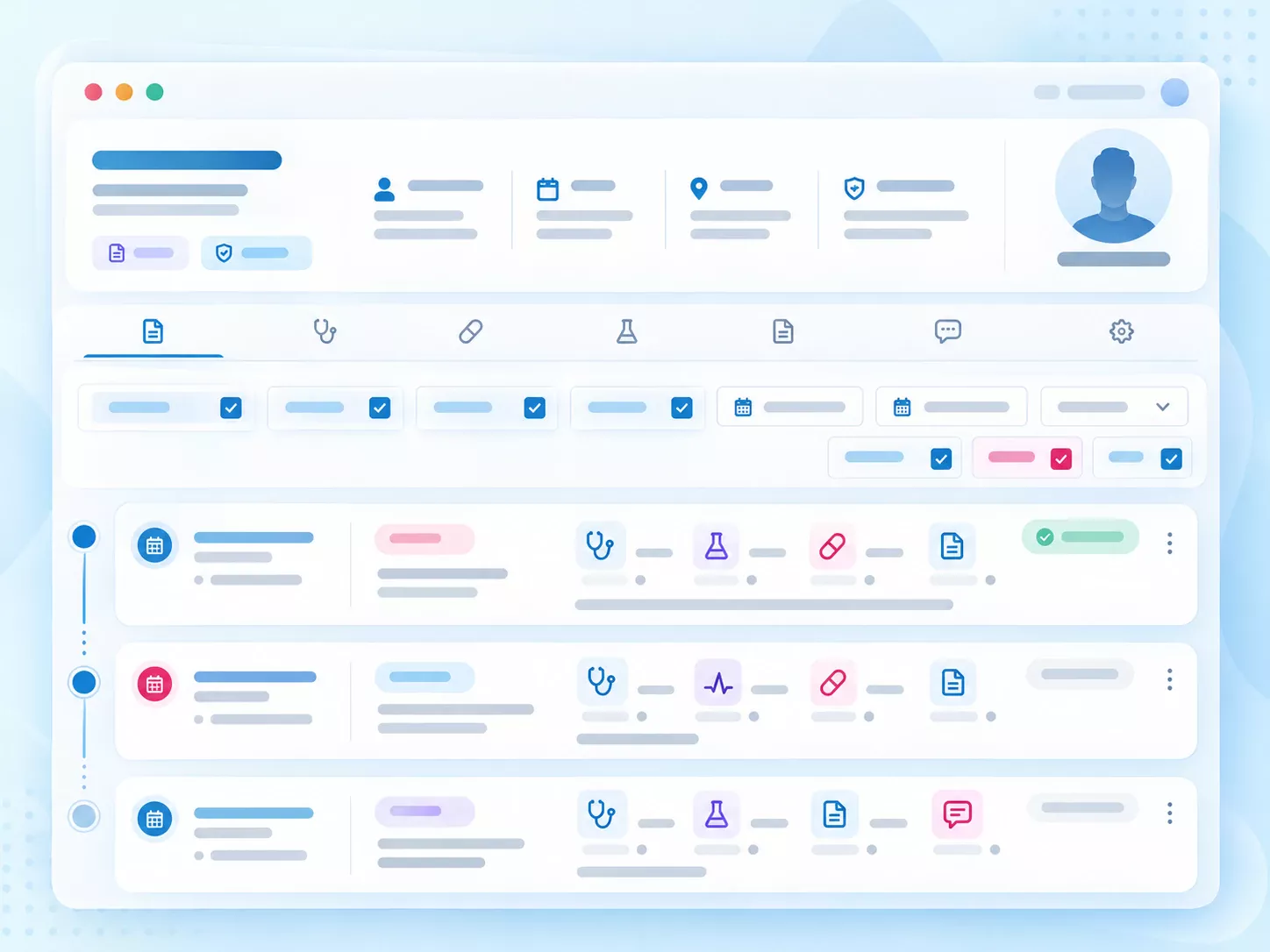
Review visits, medication history, laboratory results, documents and payments through connected views. Filter the timeline by event type and time to understand previous care.
03 / Appointments and scheduling
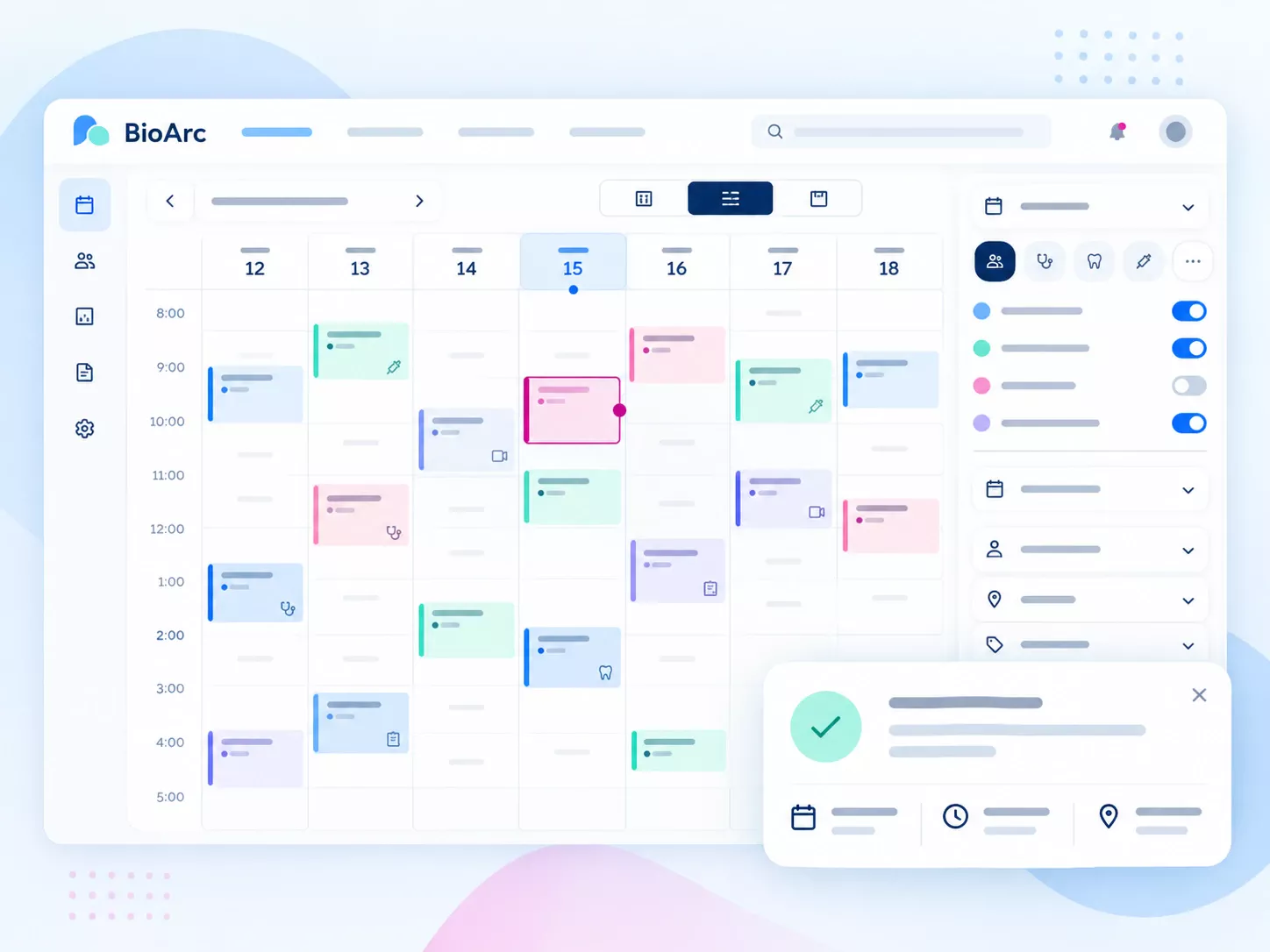
BioVisit lets patients find a physician or center and review available appointment times. Centers configure attendance schedules, capacity and booking rules for their own workflow.
04 / Online consultations
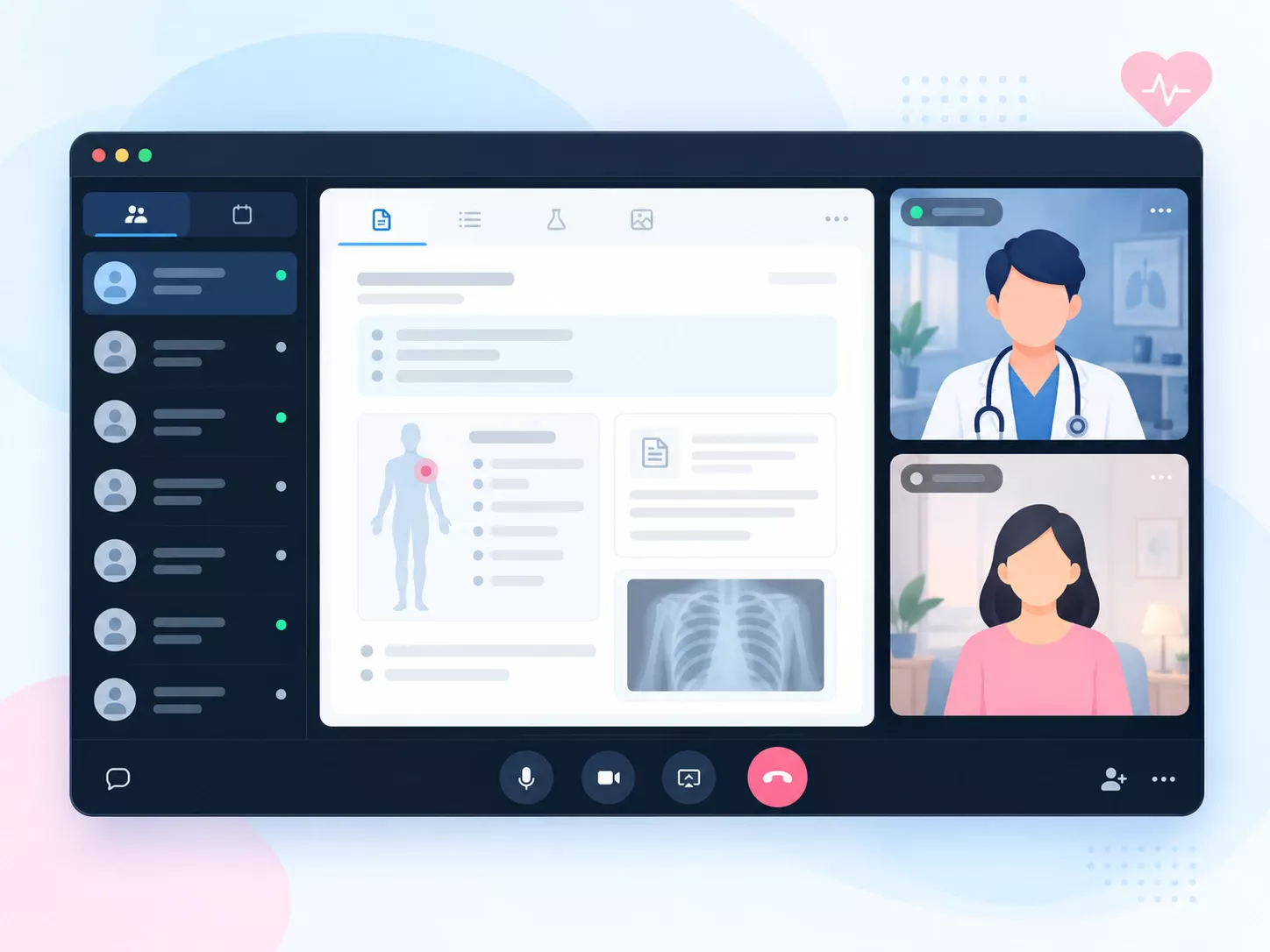
Video, voice and text communication and document sharing can accompany the consultation. Record the visit and prescription within the agreed clinical workflow.
05 / Admission and reception
Connect patient registration with the physician, department and appointment. Reception teams can use worklists, admission calendars, status filters and appointment rescheduling.
06 / Graphical prescribing
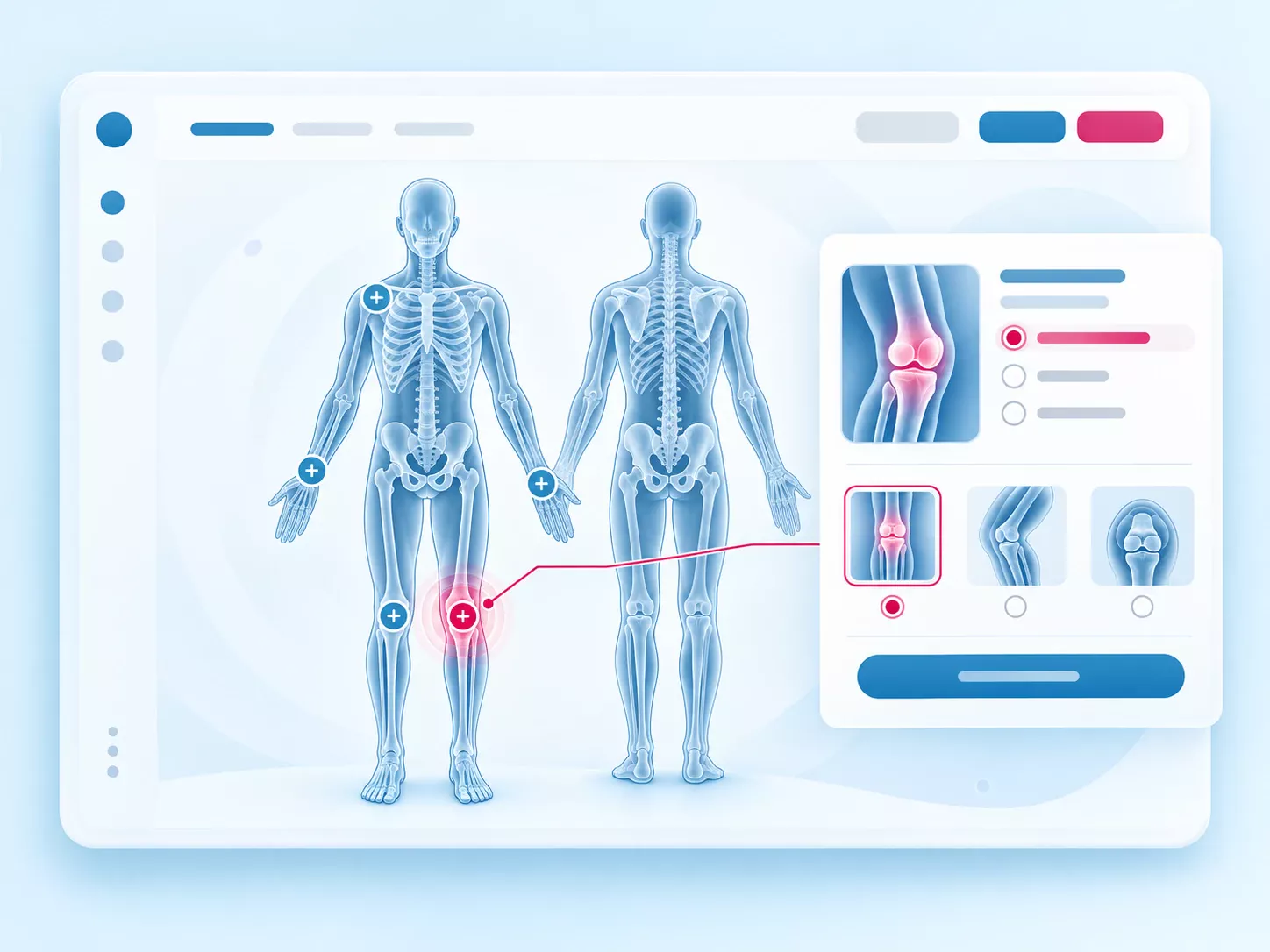
For supported imaging requests, select the relevant body region visually, then specify details such as side and view. Graphical favorites and list search remain part of the prescribing workspace.
07 / Specialty records and registries
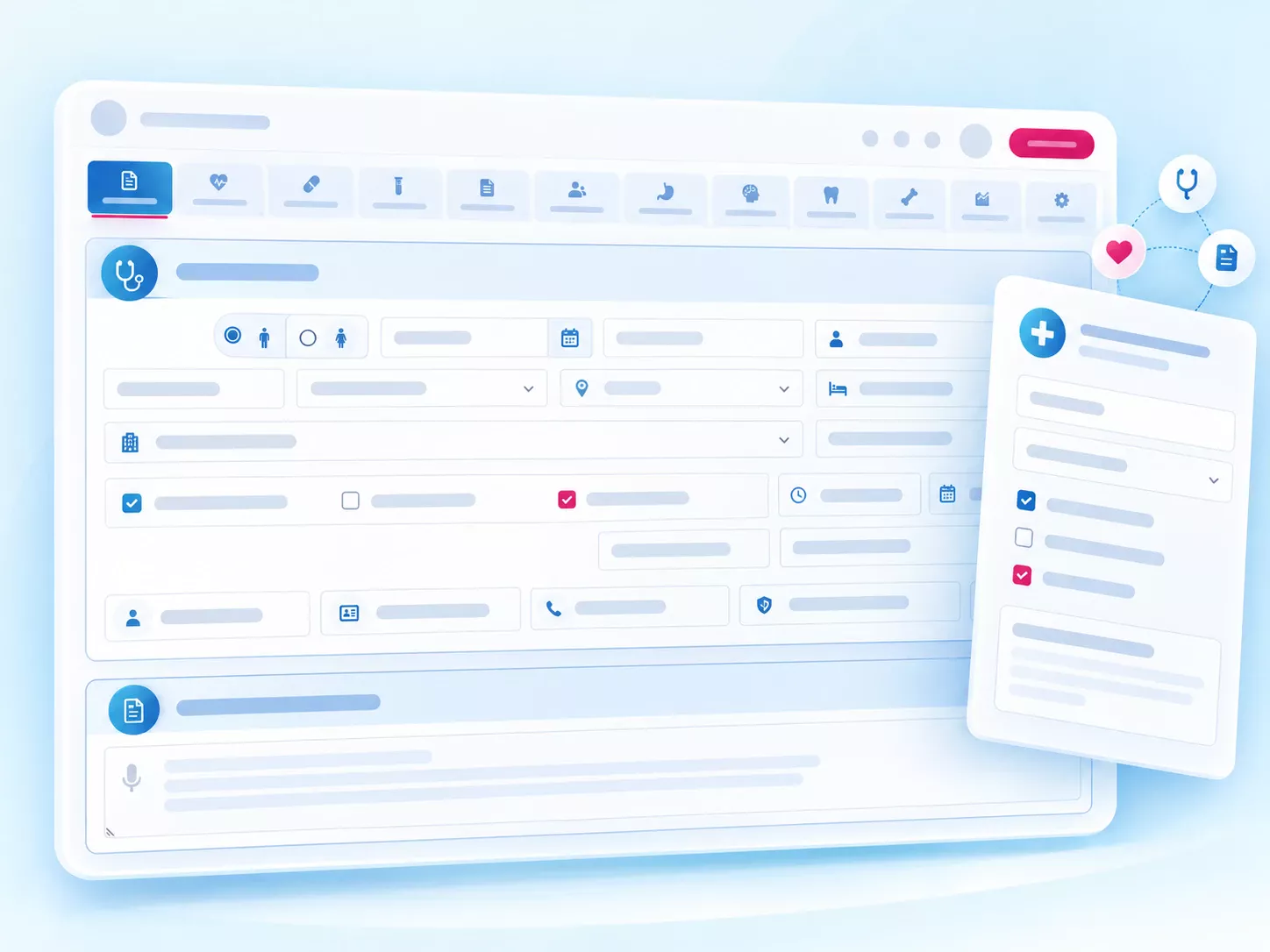
Design specialty forms with the center’s clinical team: history, examination, assessment, questionnaires and follow-up. Structured fields and graphical tools support disease registries and agreed research outputs.
08 / Inpatient and nursing care
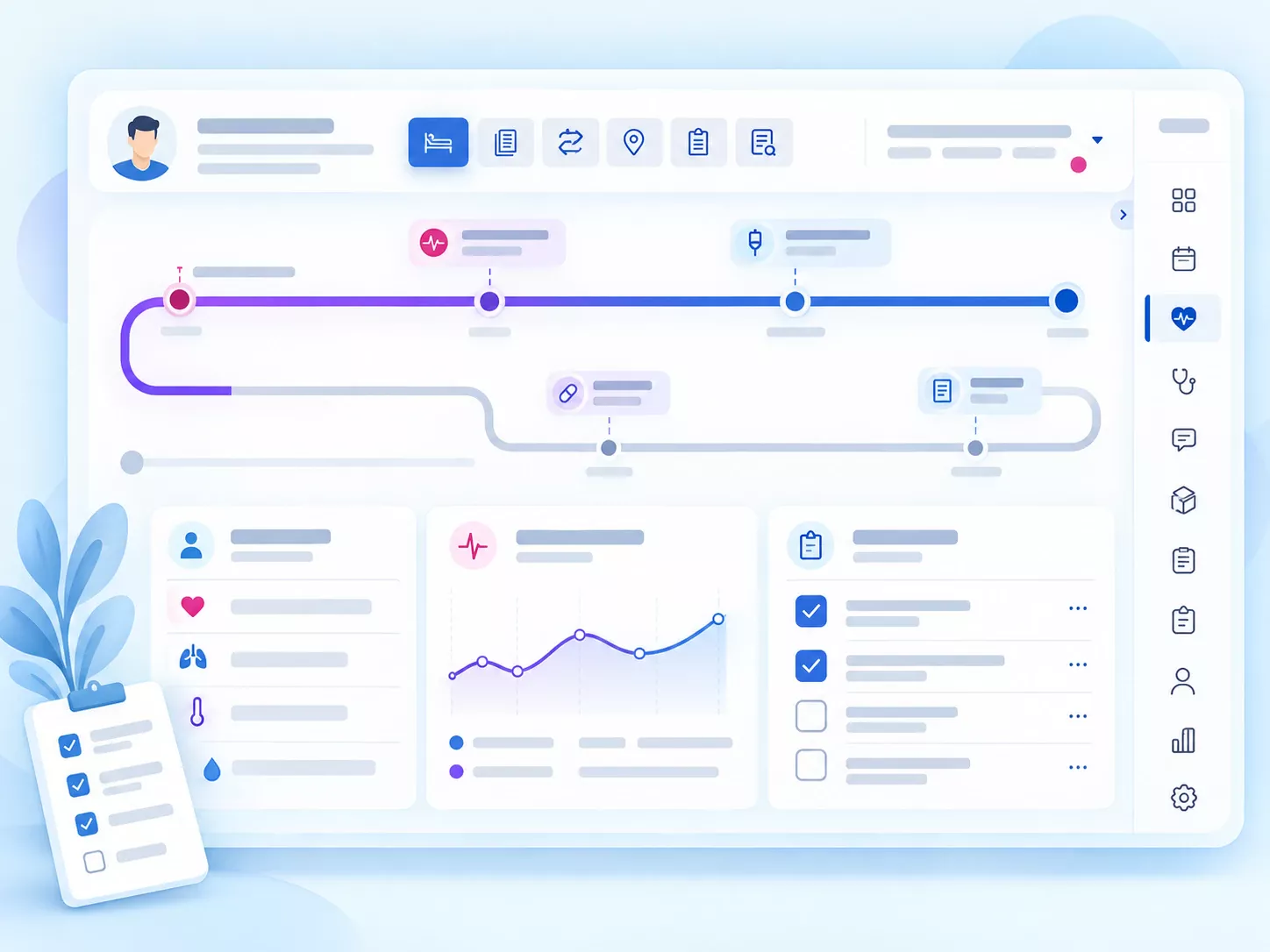
Bring the inpatient dashboard, vital signs, nursing routines, progress notes and consultation requests alongside the electronic record. Each team member works within defined responsibilities.
Connect patient registration with the physician, department and appointment. Reception teams can use worklists, admission calendars, status filters and appointment rescheduling.
Choose medicines, laboratory tests, imaging, equipment and services from the same workspace. Favorites, reusable templates and previous prescriptions support daily work.
For supported imaging requests, select the relevant body region visually, then specify details such as side and view. Graphical favorites and list search remain part of the prescribing workspace.
Review visits, medication history, laboratory results, documents and payments through connected views. Filter the timeline by event type and time to understand previous care.
Bring the inpatient dashboard, vital signs, nursing routines, progress notes and consultation requests alongside the electronic record. Each team member works within defined responsibilities.
Follow records, actions and signature status across visits, prescriptions, admission and nursing.
Specialty questionnaires, structured and graphical fields, and independent faculty and resident roles.
Track admission, transfers, inpatient episodes and discharge within the configured center workflow.
Assessment, operative documentation, inpatient care and follow-up.
Coordinate patient flow by physician, department and reception counter.
Online payments, payment links, cash desk, tariffs and financial reports.
Stock movements, purchase requests and service-related consumables.
Monitor visits, prescriptions, services and operational activity.
Define data exchange, mappings and access with each center’s technical team.
Center and department structure with access matched to responsibilities.
Appointment notifications, payment links, prescription links and follow-up.
Specialty questionnaires, patient follow-up and research exports.
Specialized treatment planning and medication preparation workflows.
Organize digital resources and documents within the center’s access structure.
No matching modules. Try another search or choose All.
Modules and integrations are enabled according to each center’s agreed configuration.
Clinical data for research
BioArc registries connect questionnaire design, patient follow-up, data quality, projects and research outputs in one workflow.
Structured fields, input guidance, graphical selection and field histories aligned with disease definitions and follow-up periods.
Reviewers can assess entered data and request corrections. Data-entry teams follow feedback during record completion.
Define patient cohorts with research criteria and review authorized data through reports, charts and structured exports.
Sample registration, storage locations and usage history can accompany research projects, with role-appropriate access.
Book or retrieve appointments, identify by barcode or identifier, print receipts and guide patients to reception or visit queues, with compatible equipment.
Payments, services, stock consumption and visit/performance indicators connect operational visibility with clinical work.
Review your institutional workflow with our team in a dedicated demonstration.
BioArc architecture and infrastructure
BioArc brings patient services, clinical work, center management and research around connected data. Dedicated deployment can run on the institution’s infrastructure, with its own modules, permissions and integrations.
Architecture, deployment and technical details ↙
Getting started with BioArc
Implementation follows real scenarios with clinical, management and IT teams.
Review departments, users and real admission-to-care scenarios.
Define modules, forms, integrations, hosting and acceptance criteria.
Configure the center and train each group for its responsibilities.
Verify agreed scenarios and define issue tracking, support and updates.
For centers and universities
Deployment, data, training and everyday work.
021 2842 8383 90006010 90007020Share your center type, departments, approximate user numbers and current admission-to-treatment workflow. A demonstration can then focus on relevant scenarios and define the proposed scope.
The agreed scope can cover one unit or multiple centers. Rollout order, connections between units and future expansion are defined in the implementation plan.
Modules, center and user structure, custom forms, integrations and hosting affect the estimate. Setup, customization and maintenance are specified in the proposal and contract.
Timing depends on project scope, infrastructure readiness, customization and access to required services. Deployment, training, scenario testing and launch dates are agreed before implementation.
Dedicated deployment on the institution’s infrastructure is available. Server, network, domain, technical access and infrastructure maintenance responsibilities are reviewed and agreed in advance.
Web capabilities are accessible through a browser. Peripheral devices or local integrations may require configuration or a supporting tool, identified during technical assessment.
The technical teams review available services, data and permissions. Integration, mapping and exchange tests are scoped per center; a module does not imply a ready connection to every external system.
The structure, quality, identifiers, documents and volume of available data are assessed first. Migration scope, field mapping and verification must be agreed.
The center’s data ownership and export process should be explicit in its contract. Format, scope, timing and end-of-contract transfer arrangements are agreed for that institution.
Independent accounts and roles are aligned with responsibilities. Access for physicians, assistants, nurses, reception and administrators, as well as support access and confidentiality commitments, are agreed for the center.
Infrastructure, backup creation and retention, storage location and recovery responsibilities must be clear for the hosting model. Backup frequency and recovery tests are specified in the technical plan and contract.
Admission establishes the visit, physician and department. The physician can review history, examination, prescriptions and records in connected workspaces; the detailed workflow depends on center configuration.
For supported imaging requests, select a body region visually and specify details such as side and view. Favorites and list search are available alongside this workflow.
Forms and follow-up workflows can be designed with the center’s scientific team. Structured fields, checklists, questionnaires and research outputs are defined within the agreed customization scope.
BioArc supports independent accounts and roles. Viewing, recording, completion and supervision permissions are configured to match the institution’s teaching and clinical structure.
BioVisit provides patient booking and online services. Schedules, capacity, video, voice, text and document sharing can be included according to the agreed scope.
Training is planned by role. On-site or online delivery, content and sessions are agreed in the deployment plan. Training videos are also available in the learning section.
Use the chat button or call +98 21 2842 8383. Request logging, prioritization, issue resolution and development requests are defined at launch; response targets depend on the center’s contract.
Modules, forms, roles and integrations depend on each center’s needs and configuration. The demonstration reviews selected capabilities, prerequisites and customization so delivery scope is clear.
BioArc’s foundation uses open-source technologies. The listed open-source components do not require a separate commercial operating-system, web-server or database license.
Let’s talk about your center
Tell us about your needs, request a demonstration or ask a question. You can also call our team.
021 2842 8383 90006010 90007020Support and services office
North 2nd floor, No. 13, Alley 4, Zanjani St. (Kooy Parvaneh), opposite Tarbiat Modares University, Jalal Al Ahmad St., Tehran, Iran. Postal code: 1439916411Engineering office: Ilam Science and Technology Park, Zist Dadeh Pardaz Arka (BioArc)